Technology creates, culture connects. By bringing technology and culture together, I work out what your product actually means to people.
From early-stage product positioning to B2B growth and consumer launches: I drove every project in this portfolio end to end, with the metrics to back them up.
Shorter engagements, same habit. Expand any of them.
Found the problem in the product format rather than the promotion, and designed a reusable landing-page hub to replace time-bound livestreams.
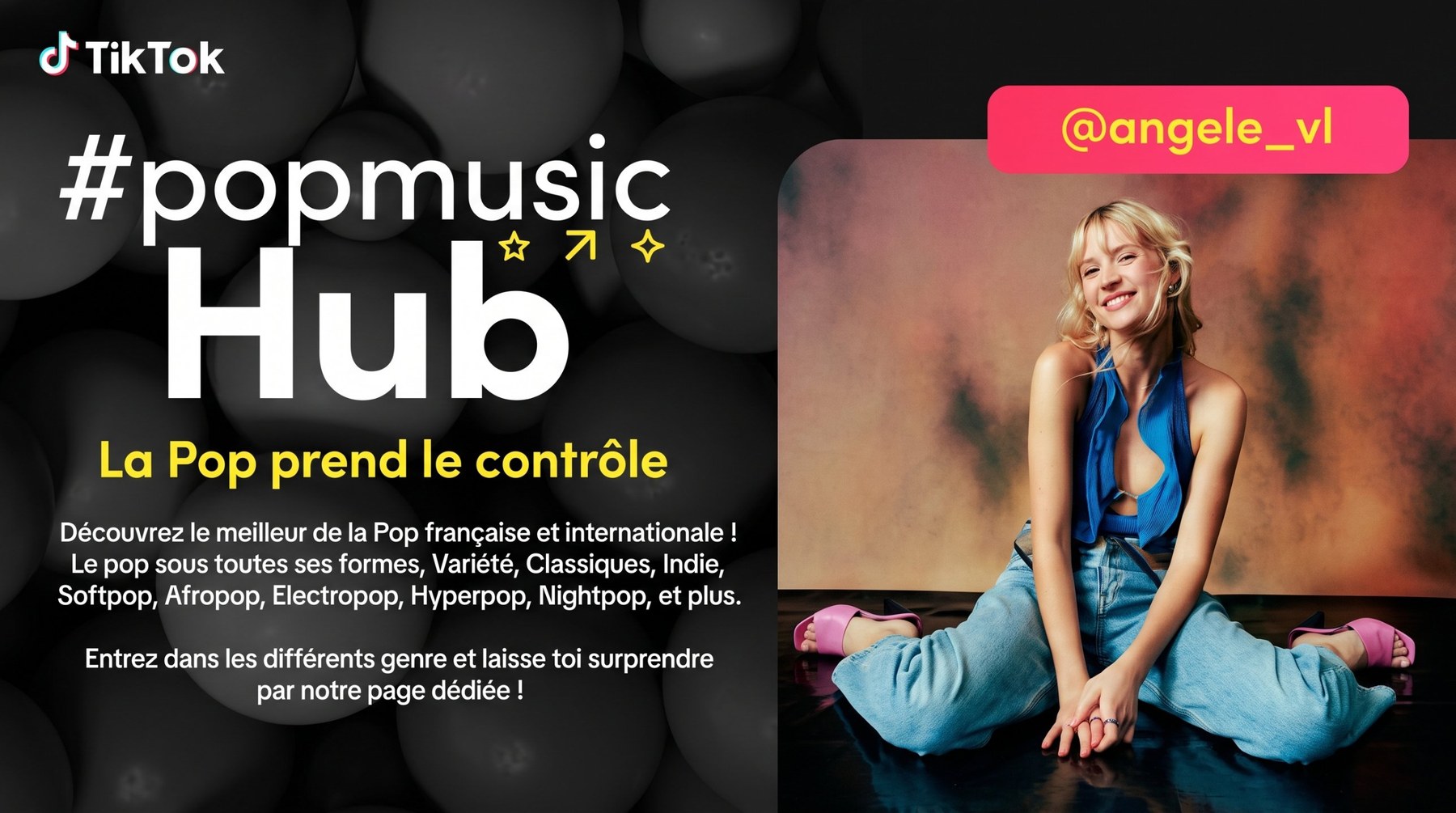
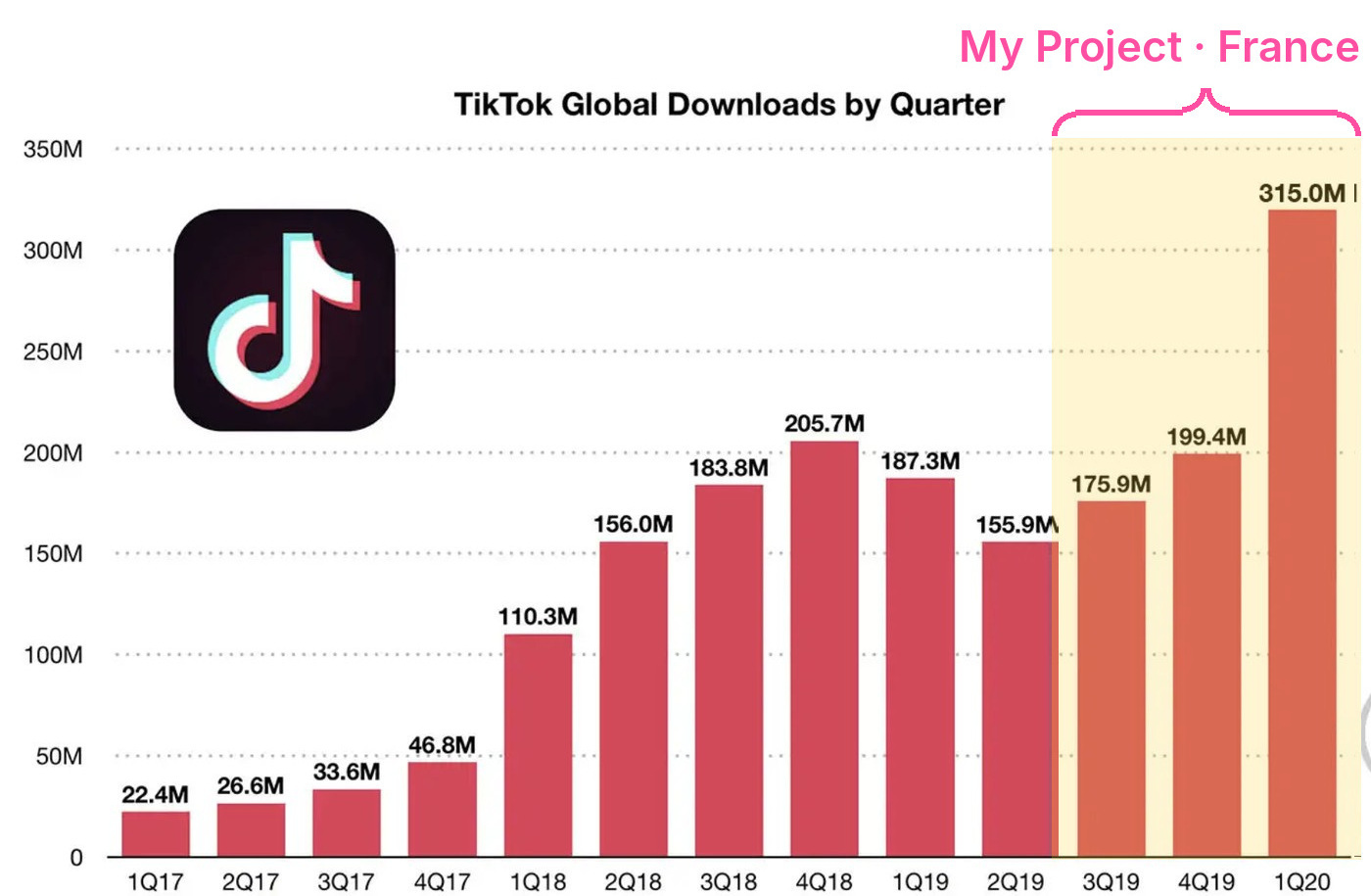
Back when TikTok was still seen as just a teenager app, I was tasked with expanding our French user base on a tight budget. I drove 266M views and grew our target demographic from 9% to 20% by organic, paid and earned channels and creative A/B testing. Mainly on Meta.
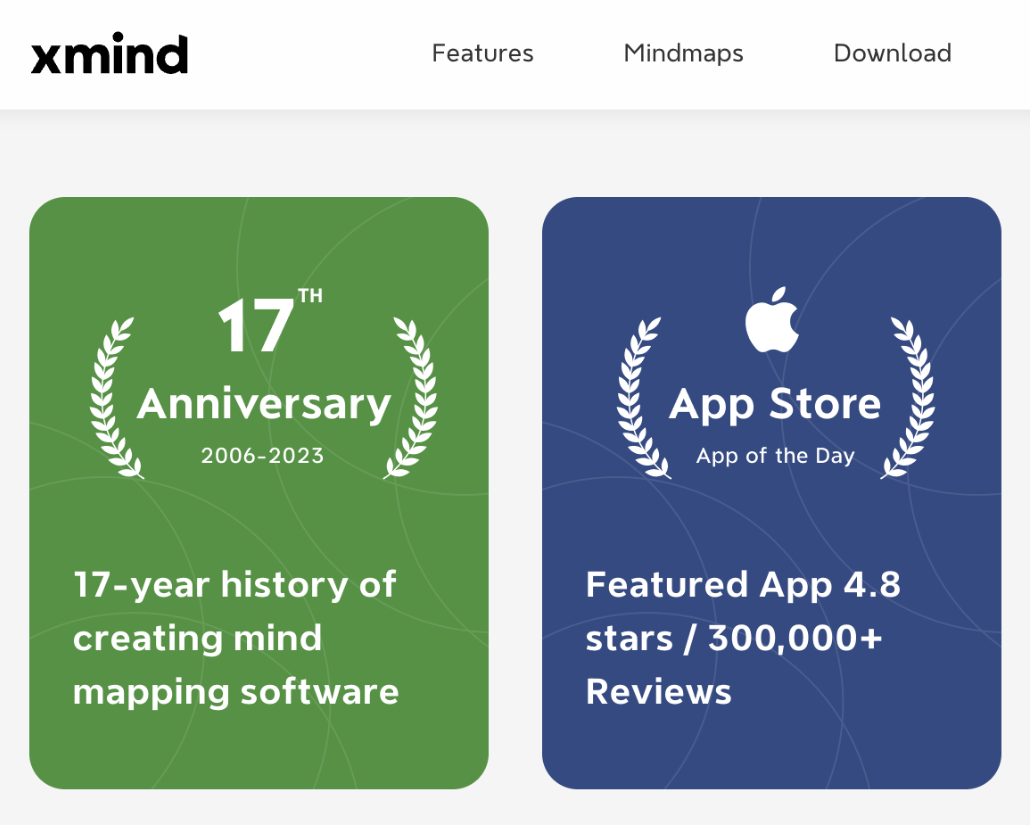
A new app product launched with no budget and no agency. I brought in 80,000 downloads through cold-pitching to Apple's editors with the brand story, positioning and messaging. It was featured on the App Store's official banner globally in 17 countries, and ranked number 1 in the Productivity category.
Launching a new product in a market dominated by major competitors: finding its niche, and communicating its value clearly.
I owned the project end to end, from defining the product positioning and leading the go-to-market strategy to securing the budget from scratch. I also built and coordinated a cross-functional team of 14 across product, creative, partnerships and events, leading through influence rather than authority.
Technology tells you what it can do. Culture tells you why it matters.
When Effect House came to France, the story of AR had already been written by the tech giants who got there first. It was either a complex utility for engineers, or a three-second filter for a selfie. It had virality. It had utility. It had no prestige.
Meanwhile a generation of young artists was watching, and wanted none of it. They did not need another digital toy. They were looking for a canvas: a medium that respected their ambition.
So the problem was never distribution. It was cultural:
How do you elevate AR from a technical feature into a cultural medium?
Beta-test research showed a low adoption rate, so I uncover target user needs through my in-depth user interviews: monetisation opportunities and connect with the billion-user community of TikTok.
The original message described the product. The new one described what the product was for.
A powerful, easy-to-use AR and VR design tool that boosts your creativity.
True, generic, and says nothing about who it is for or why they would bother.
The AR tool for designers, backed by TikTok's community of over a billion active users, and monetised by brands.
Names the audience, the exposure and the money, which is what the interviews said they actually wanted.
Create, Monetize, and Connect with Billions.
People do not engage with a tool by learning what it does. They engage by using it to say something about who they are.
So the question stopped being how to teach AR, and became: what would make a young design student pick it up not as a software exercise, but as an artistic statement?
The answer wasn't a tutorial. It was a stage.
A stage needs three things: a reason to create, the right audience, and a space that gives the work meaning.
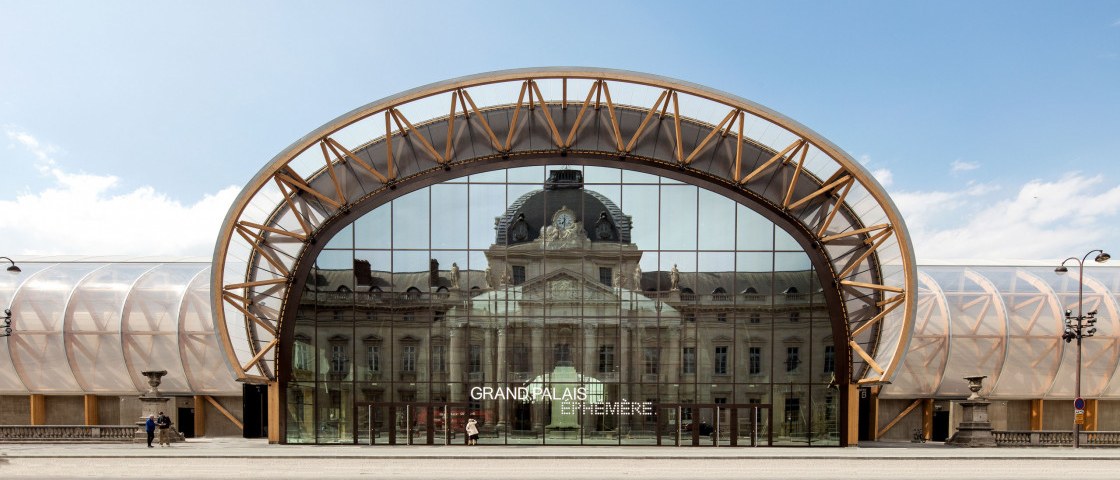
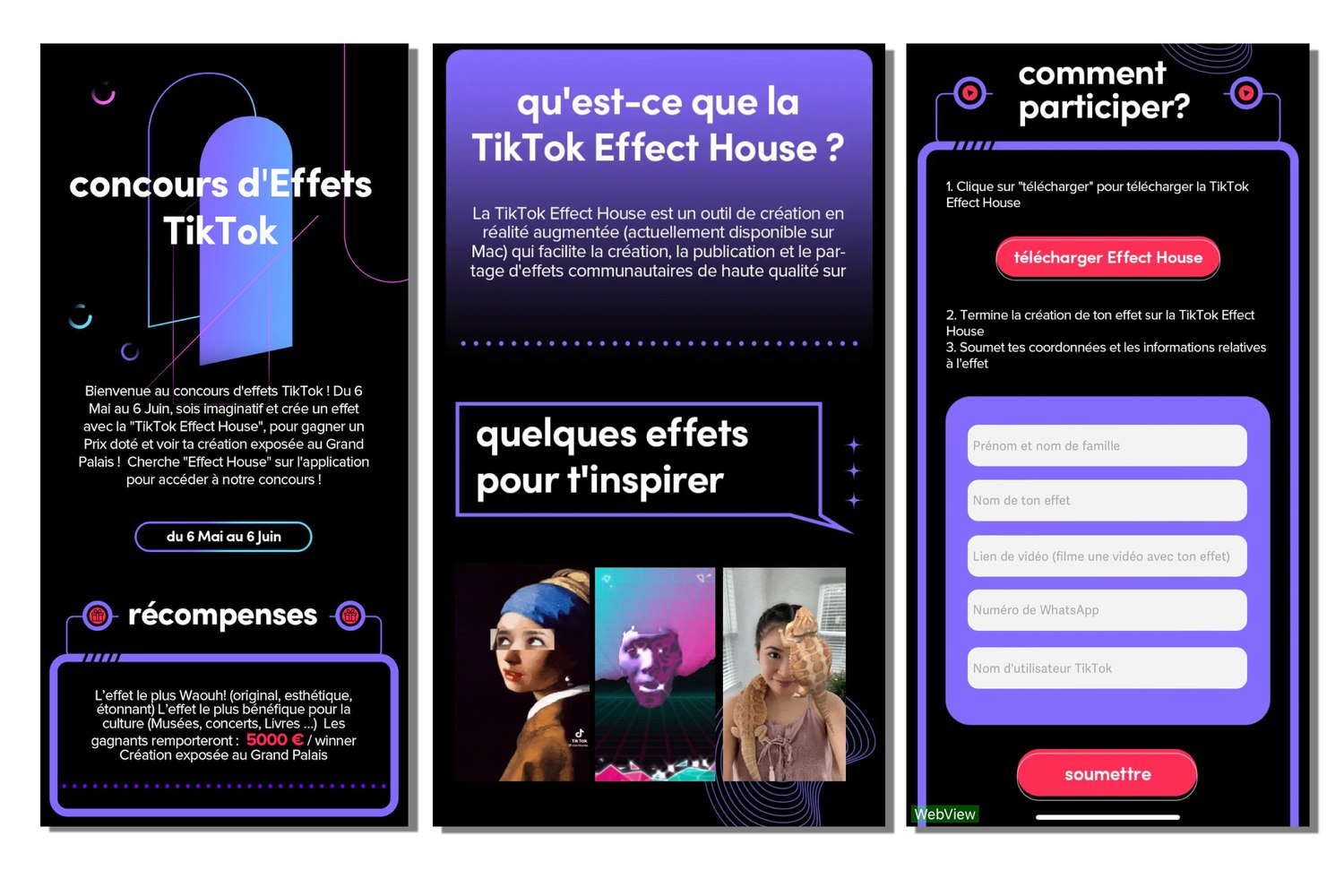
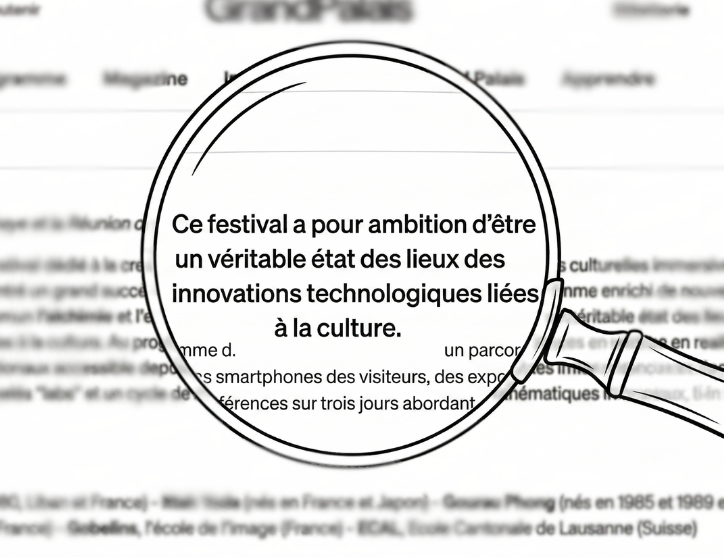
An open contest inviting creators to reinterpret the heritage of the Grand Palais in AR, turning a technical exercise into a creative statement.
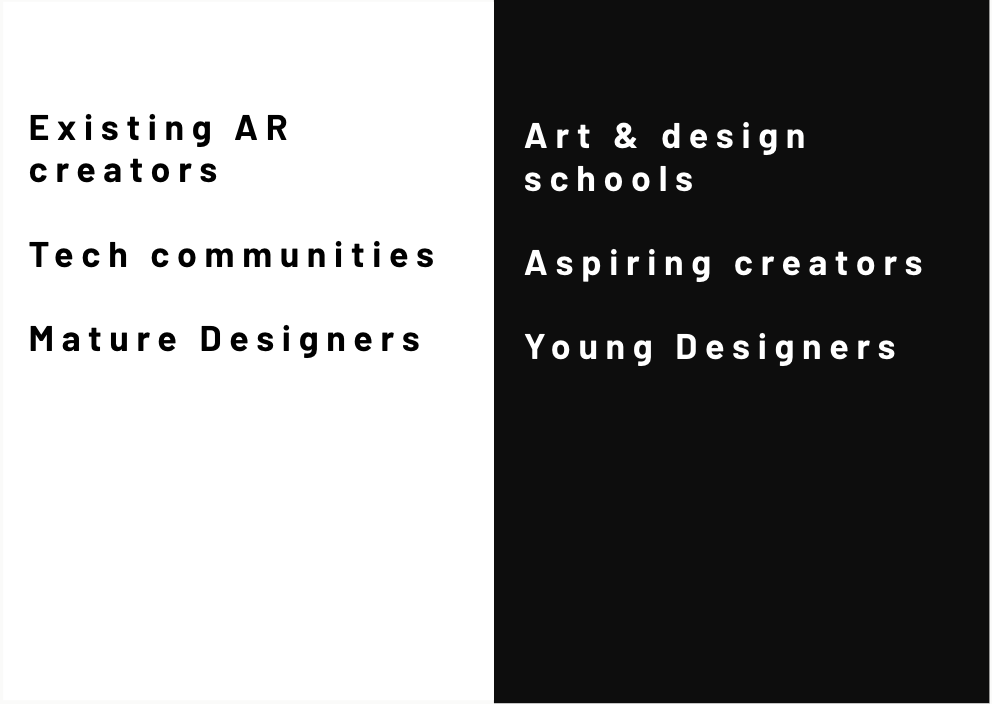
Off existing AR creators, tech communities and mature designers. Onto art and design schools, aspiring creators and young designers.
Selected works exhibited inside the Grand Palais, placing AR where it could be seen, shared and taken seriously. Creators didn't just show work. They met, and became a scene.
What we built was a context, where AR could be experienced as culture.
None of this had a budget or an owner when it started. I held no management title over anyone involved, so every one of the fourteen joined because the case was worth joining, not because it was assigned to them. That was the hardest part of the project, and the part that does not show up in the numbers.
What started as a product launch became a cultural moment. The French press covered it as an event about technology and culture rather than a feature release, and one of the contest prizes was awarded for the effect most beneficial to culture. Three thousand people came to the Grand Palais, at an acquisition cost well below what paid channels would have charged for the same attention.
The programme also seeded a creator ecosystem that kept running after it closed: over a thousand new effects a month, four in five of them originating here, and a twenty percent increase in monetisation opportunities, which was the thing the designers had said they wanted in the first place.
Creator effects made for the contest and after it, unprompted and unpaid.
Engagement was the target and livestreaming was the method. The research said the method was the problem, so I designed a different product instead.
I was the only product marketer on this. I found the opportunity, ran the research across both artists and users, designed the system logic and the prototype, and got product, design and the label partnership aligned behind a format that did not exist yet. The build was the team's; the case for building it was mine.
TikTok wanted to hold its position as the music platform of choice, and the way to get there was more music content being made on the platform. But engagement with music content was low on both counts that mattered: how long people stayed, and how much they made.
At the same time the label partners had their own problem. Artist growth was hard, and the formats available to them were not solving it.
So the question was not how to promote music better. It was: where is the new growth opportunity for music on TikTok?
Music on TikTok serves two audiences: artists who create content and users who engage with it. I conducted user research and developed personas for both to understand their different needs.
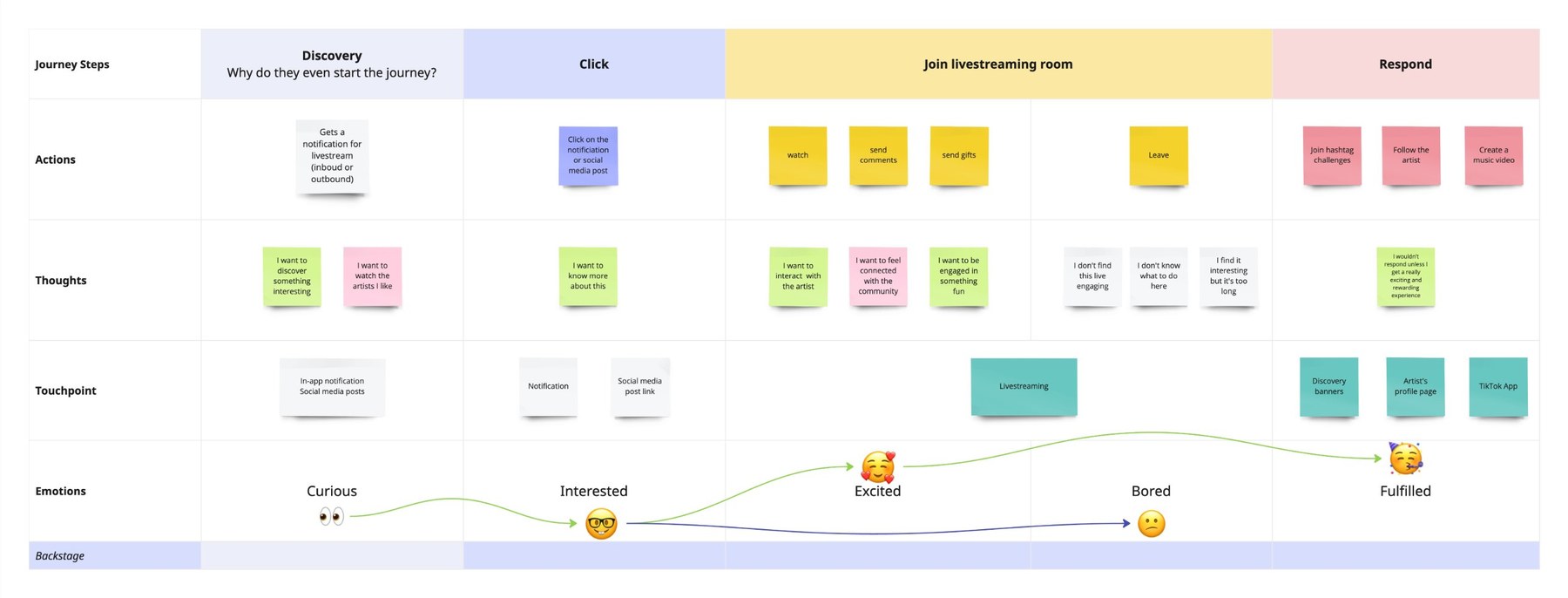
I then mapped their user journeys and found a clear drop in engagement during music livestreams, where engagement should have been highest. Previous attempts to improve other touchpoints hadn't worked, suggesting we needed to rethink the experience rather than keep optimising individual features.
Livestreaming is time-sensitive and crowded. It asks everyone to show up at the same moment, it competes with everything else happening at that moment, and when it ends there is nothing left to return to. For an artist trying to build a fanbase over time, that is the wrong container.
So rather than promote the format harder, I designed a new one.
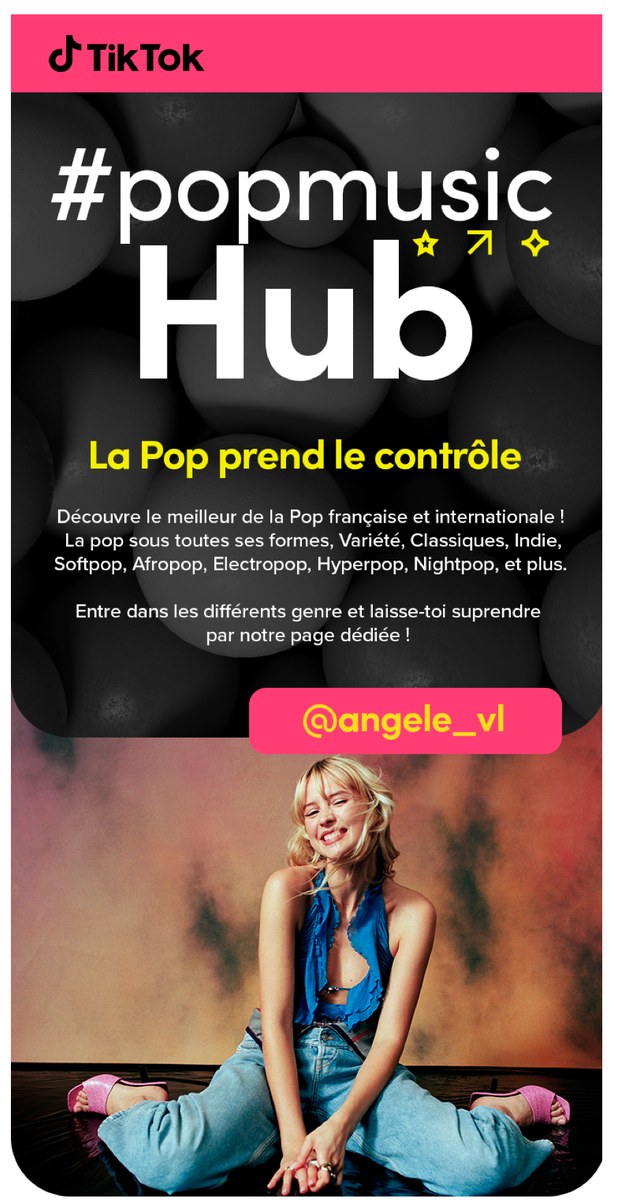
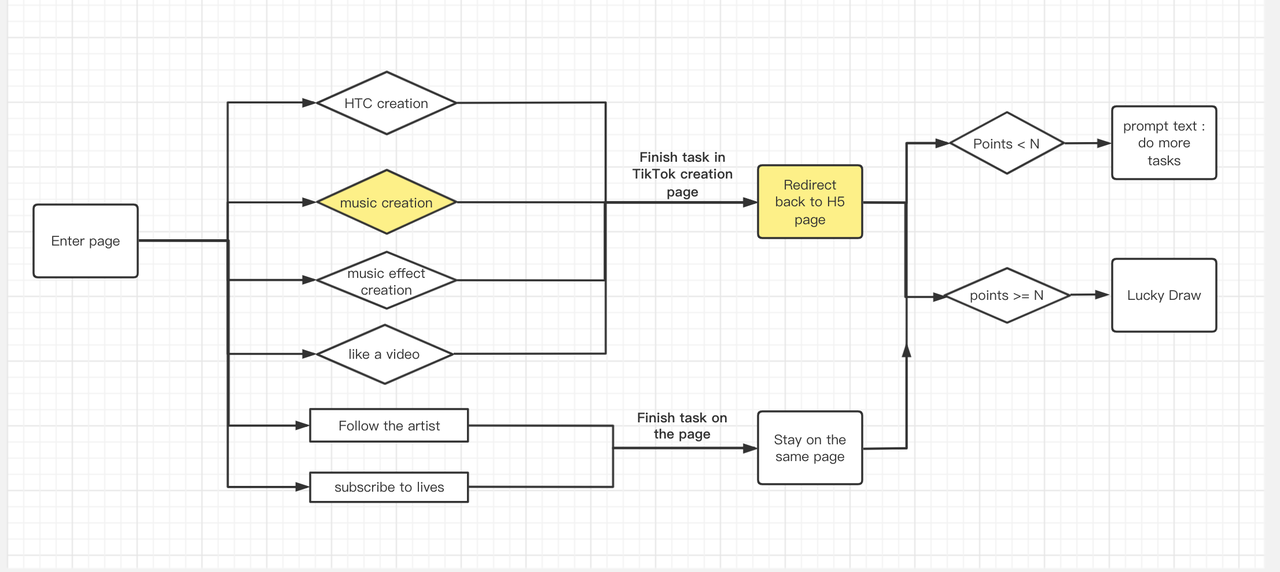
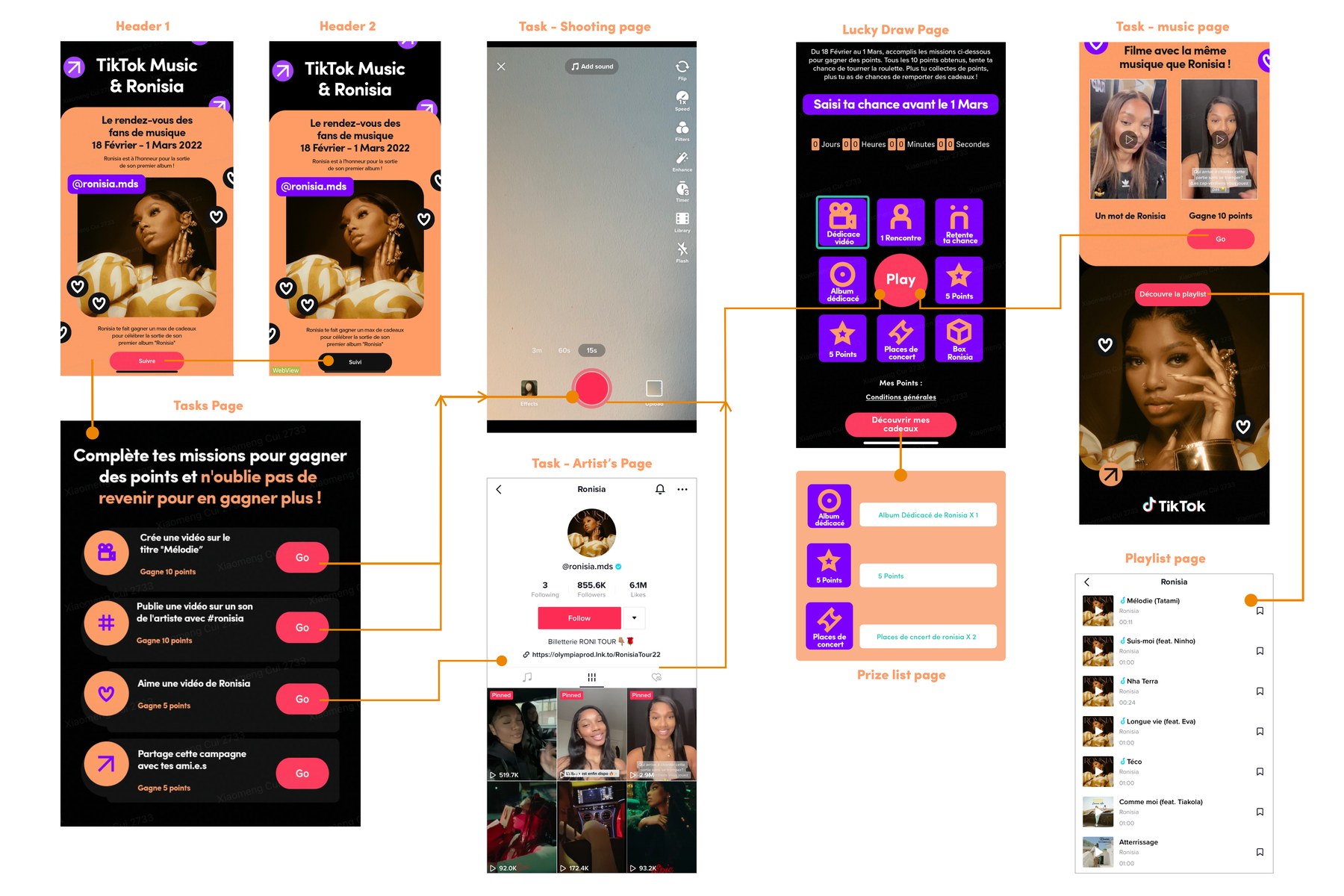
A landing-page driven music hub, built around two properties the livestream did not have.
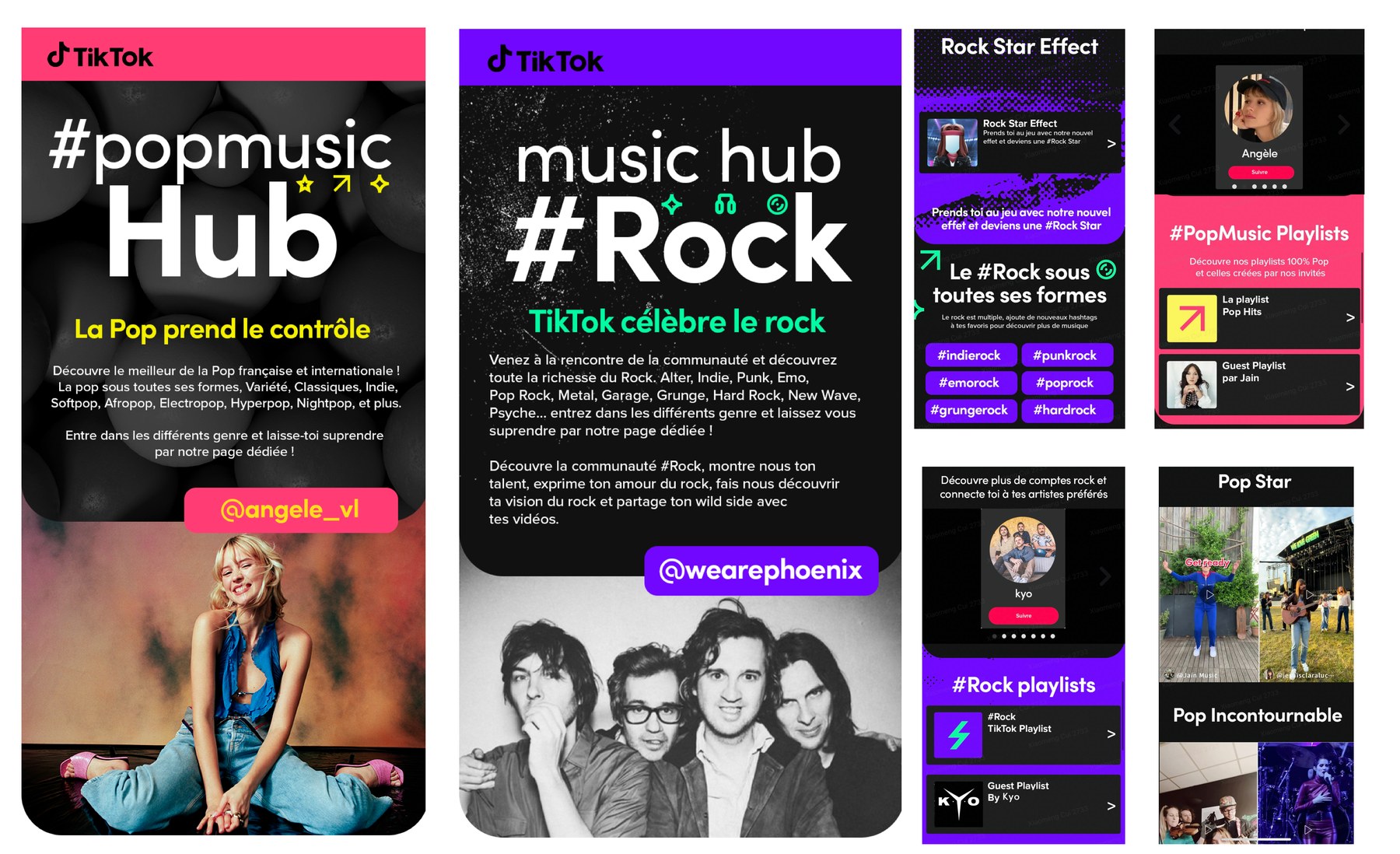
Landing-page based rather than live, so it stays up, stays findable, and can be templated for the next artist instead of rebuilt.
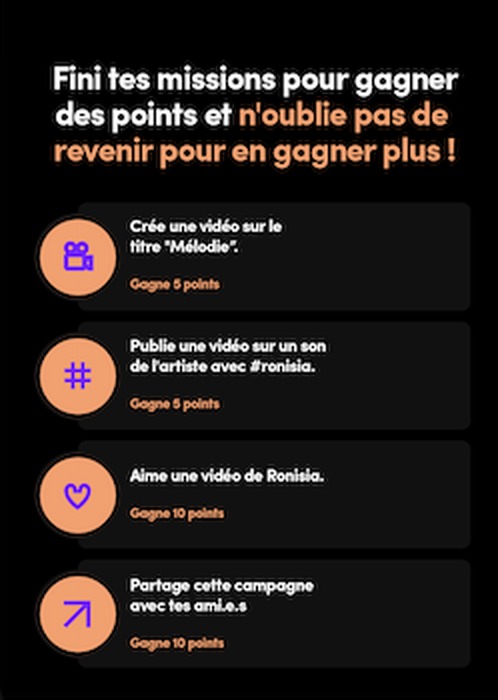
Missions that turn watching into making, with points and a lucky draw that bring people back rather than letting them bounce after one track. Making was the behaviour the brief existed to move.


I led a six-person product growth team, reporting to the Head of Product. From user research, pricing and packaging, to launching new plans across five channels, I managed the project end to end. The challenge was turning customer insights into business decisions customers buy into, and getting teams aligned to bring them to market.
As churn rose on our $50M ARR product, we needed to take action. I combined user interviews with usage data to understand what customers actually valued, and found that the most active users were not always the decision-makers, and their requests did not always reflect their real needs. This helped me identify the key feature customers consistently returned to, and use it as the foundation for our new pricing model.
We found that two of the main reasons users were leaving came down to the product itself. I worked with engineering to improve the matching algorithm and simplify onboarding through A/B testing, helping users see the product’s value sooner. These changes tripled matching accuracy and increased onboarding completion by 24%. We prioritised these improvements before launching the new pricing plans.
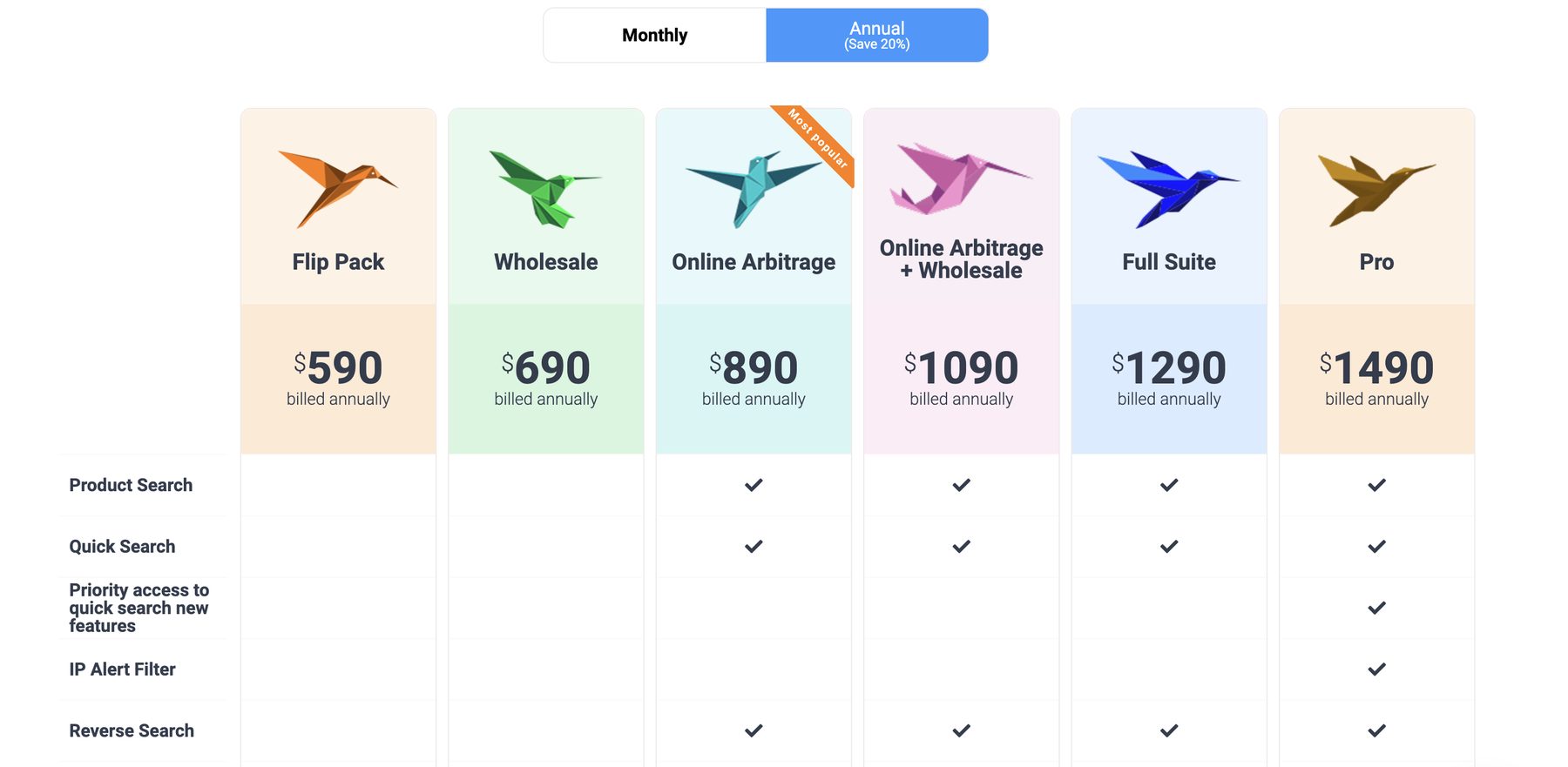
The old pricing model didn’t reflect how customers used the product. Smaller customers paid for capacity they didn’t need, while larger ones got far more value for the same price. I introduced usage-based pricing and restructured the plans into six tiers based on customer needs. Each plan offered clear value, with a straightforward upgrade path as customers grew.
Free-to-paid conversion.
Based on my project planning, I set up a sync-up cadence with the cross-functional teams before, during and after the launch.
| Workstream | PMM | Marketing | Data | Eng | CS | Ops | Affiliates |
|---|---|---|---|---|---|---|---|
| Research & pricing model | A | C | R | I | C | I | – |
| Packaging & plan build | A | C | C | R | I | C | – |
| Pricing page & billing | A | C | I | R | I | R | – |
| Lifecycle email | A | R | C | I | I | I | – |
| Community, in-app & PR | A | R | I | C | R | I | I |
| Affiliate co-marketing | A | C | I | I | I | C | R |
| SEO · pain-point keywords | A | R | C | C | I | I | I |
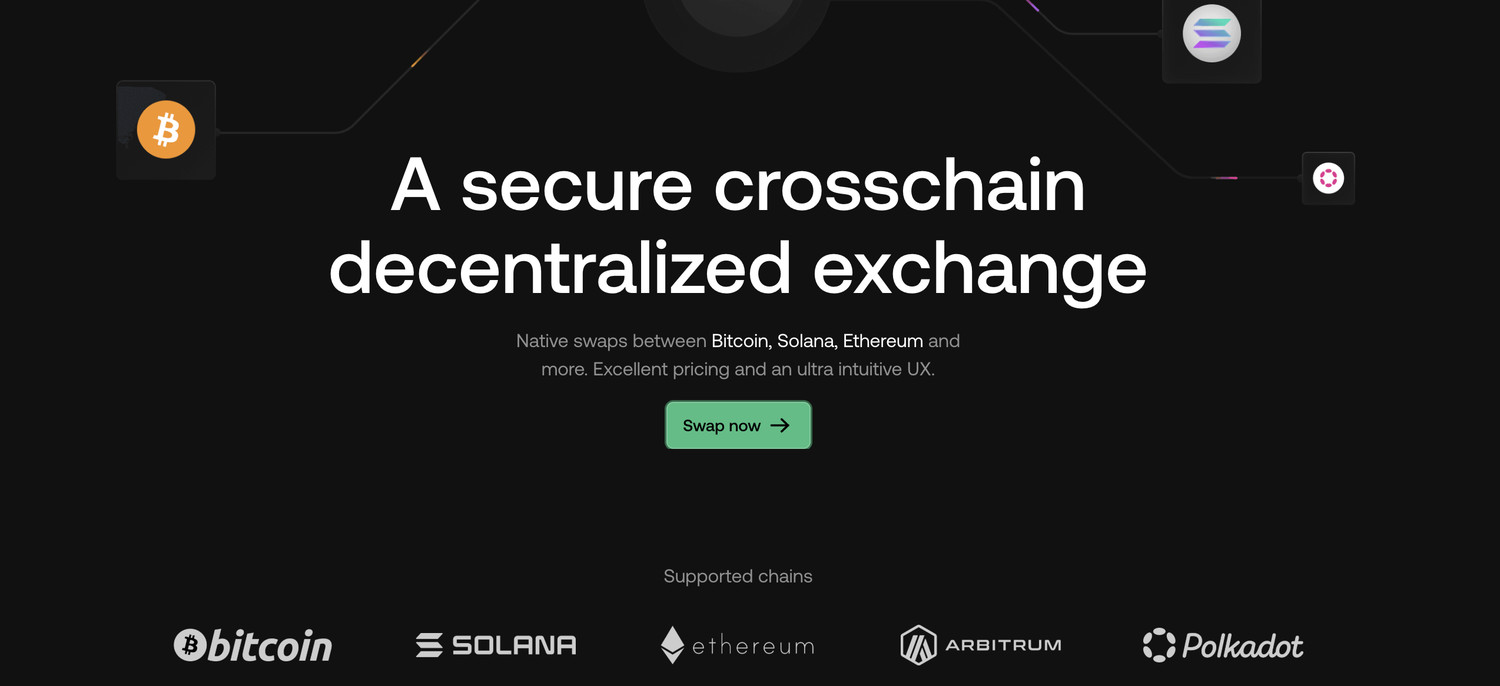
The company was using one website page, one message for all audiences. My job was to find out who our audiences were, and show each of them a different value.
I built the product marketing function from zero, reporting to the CMO. I ran the research that decided who the product was actually for, wrote the positioning and the messaging for each audience, and rebuilt the website around them. The search ranking moved because the positioning moved, not because of a keyword list.
One headline, one subhead, one button, written for a reader who did not exist: the average of three very different people. A page like that is not badly written. It is written for a composite, and a composite never signs up.
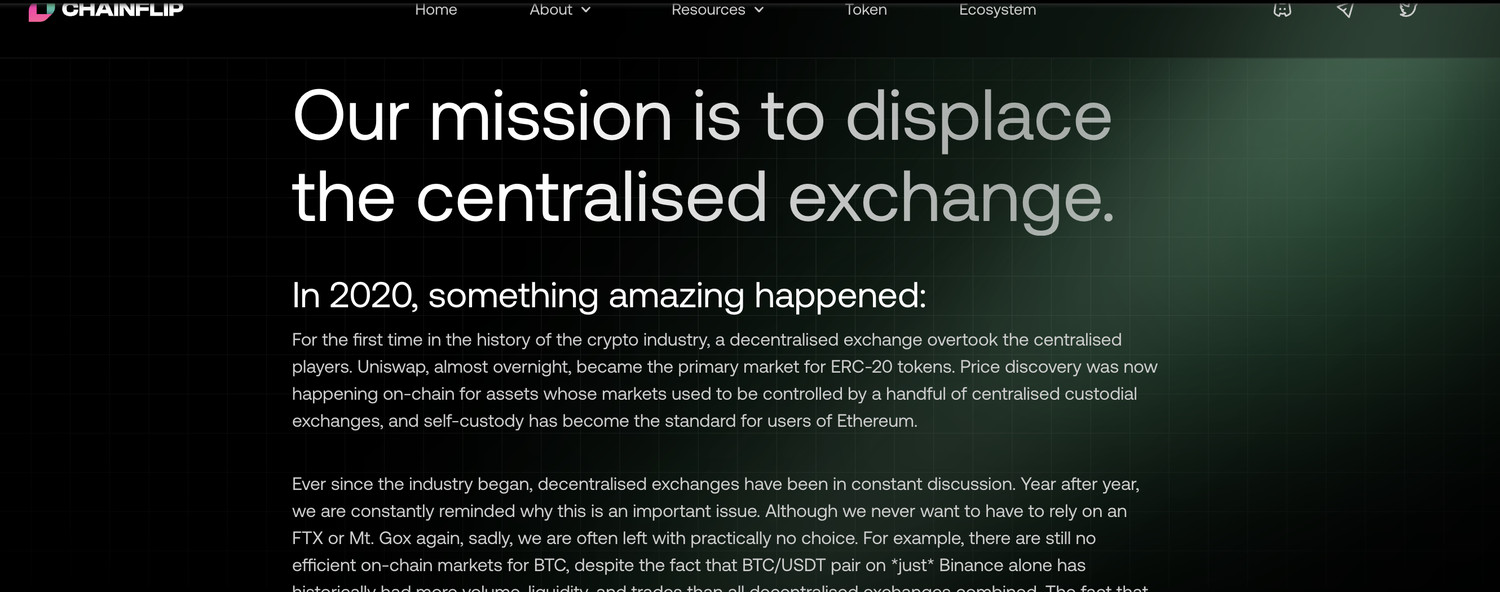
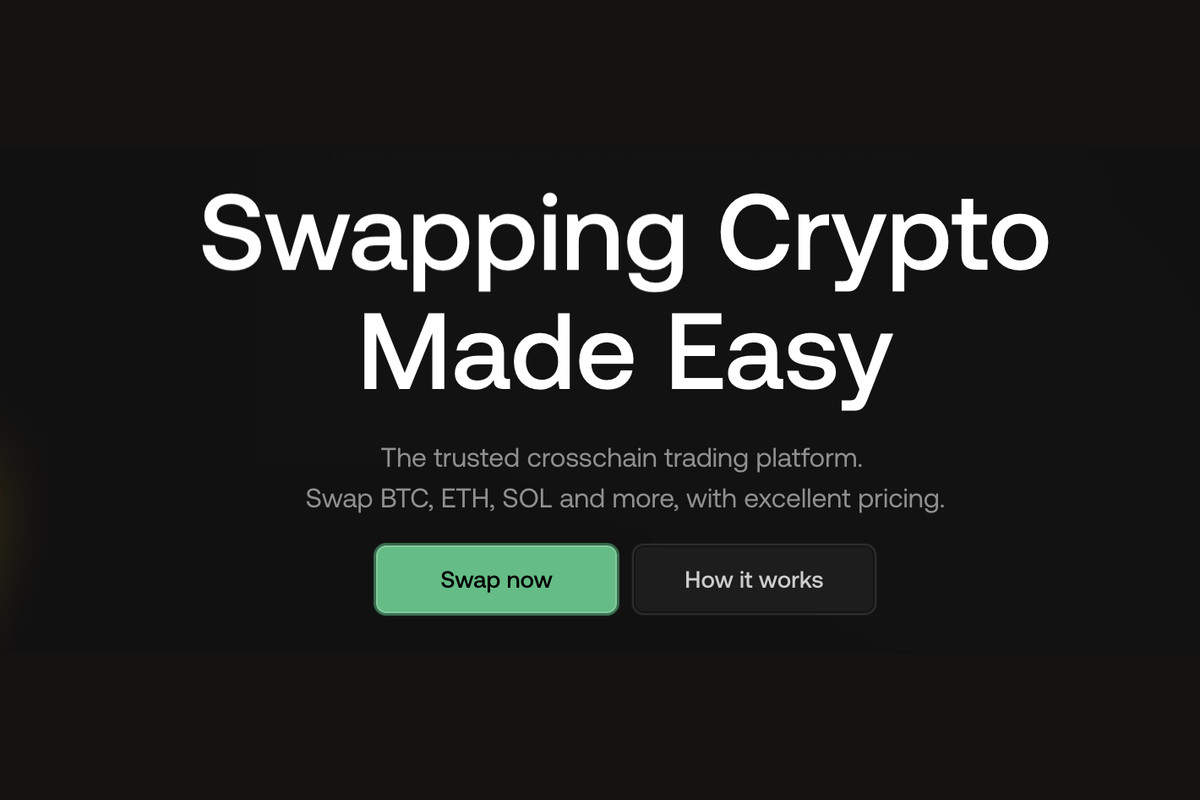
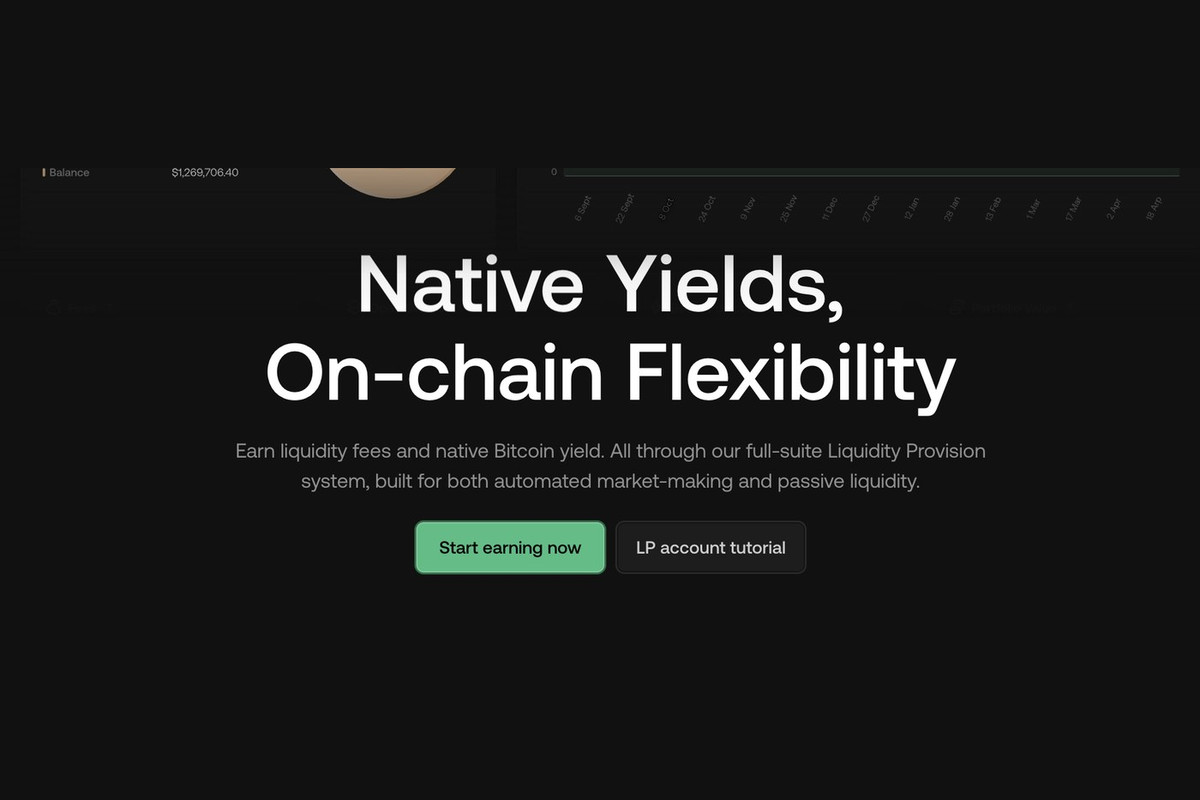
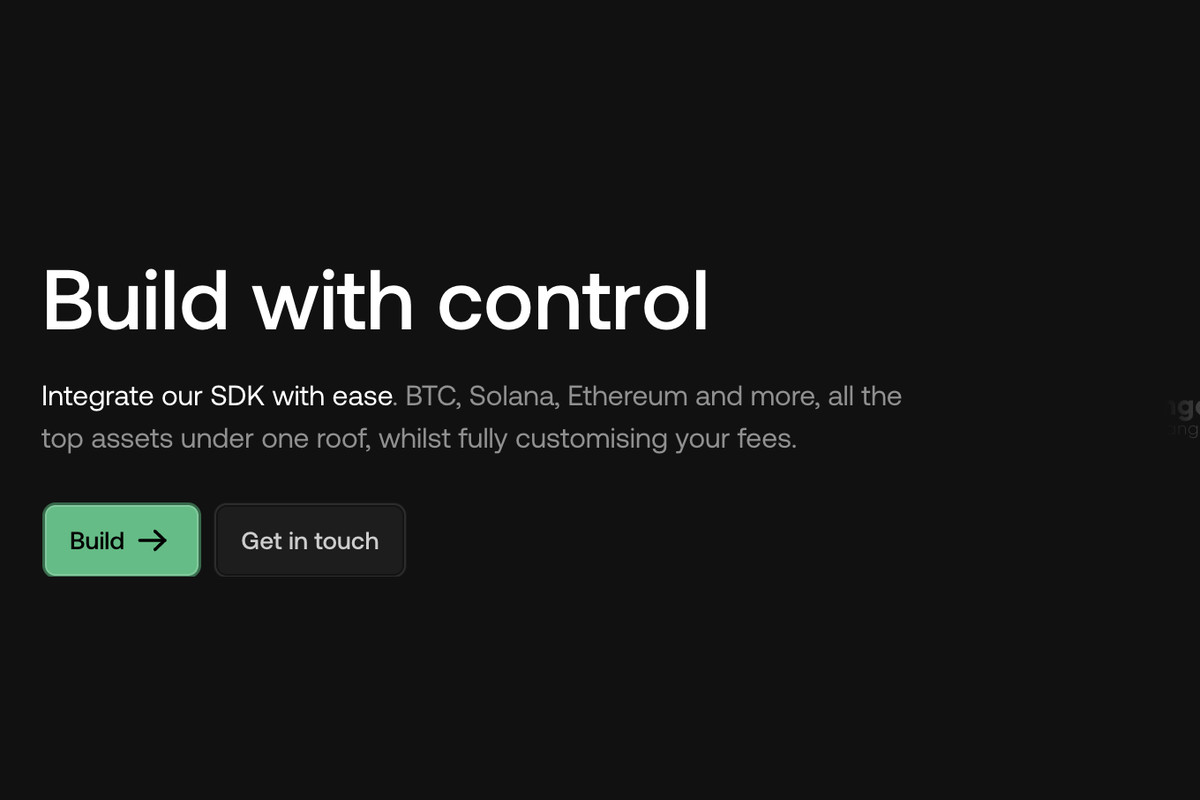
Three pages, three different first verbs. Everyday users are told they can swap, liquidity providers that they can earn, developers that they can build. The same protocol underneath, three different reasons to care, and three separate pages rather than three paragraphs on one.
“The trusted crosschain trading platform. Swap BTC, ETH, SOL and more, with excellent pricing.” Two routes in: Swap now, or How it works.
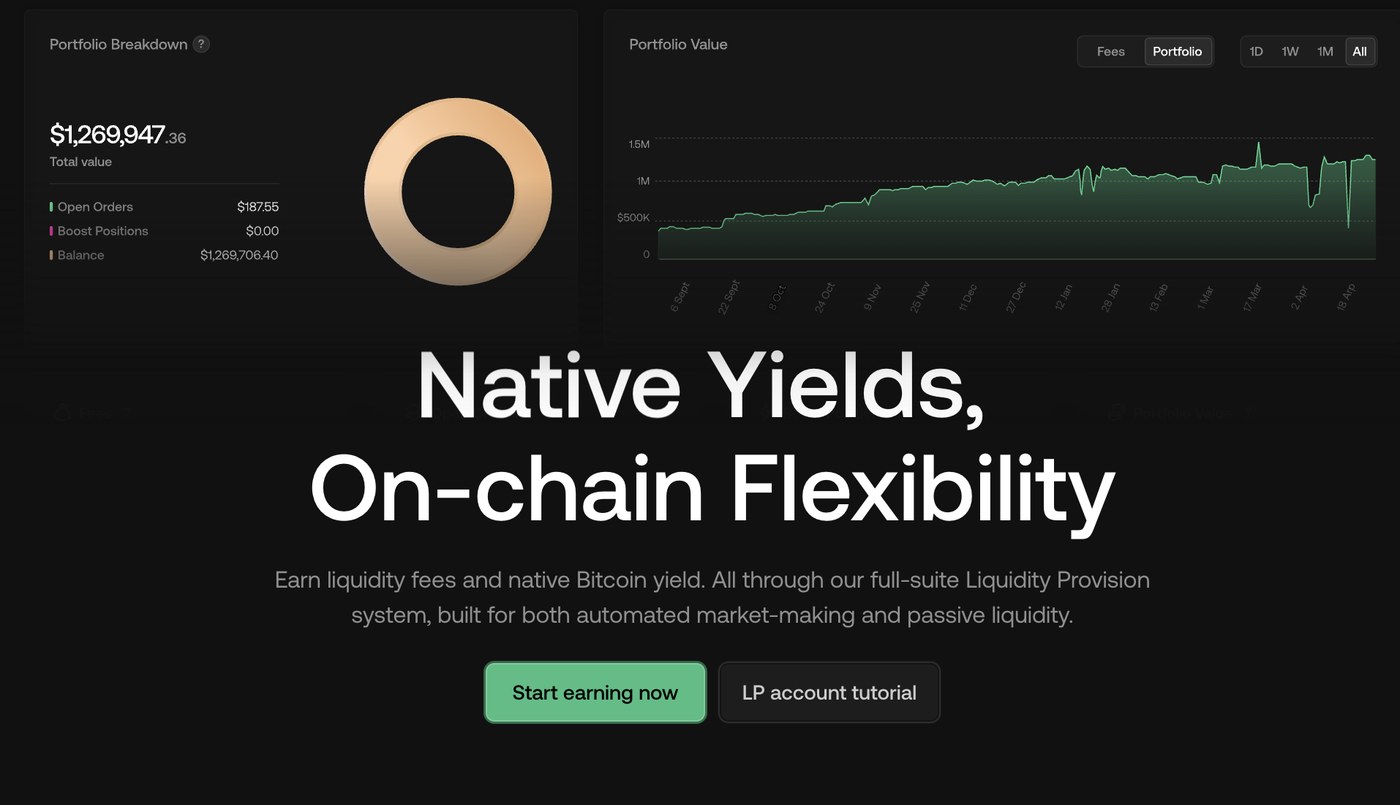
“Earn liquidity fees and native Bitcoin yield.” The page opens on a live portfolio, so the product is shown doing it before the claim is made.
“Integrate our SDK with ease… whilst fully customising your fees.” Two routes in: Build, or Get in touch.
Positioning that stays in a deck is a point of view. Positioning that ships is a decision, because a live page has to choose who it is talking to.
Most marketers write briefs about AI. This is the part where I make things with it.
A short AI-generated film with my creative conceptualisation.
A short AI-generated ad for “zoning out”, with my creative conceptualisation. Concept, script, visuals and cut, end to end, on my own.
Turns a product image and a few attributes into listing copy that holds one brand voice across hundreds of items.
Custom agents that take repetitive operational work off a team: intake, routing, drafting, filing. Built for partner companies and running in production.
Prune this to what you actually use. A stack list that cannot survive a follow-up question costs more than it earns.
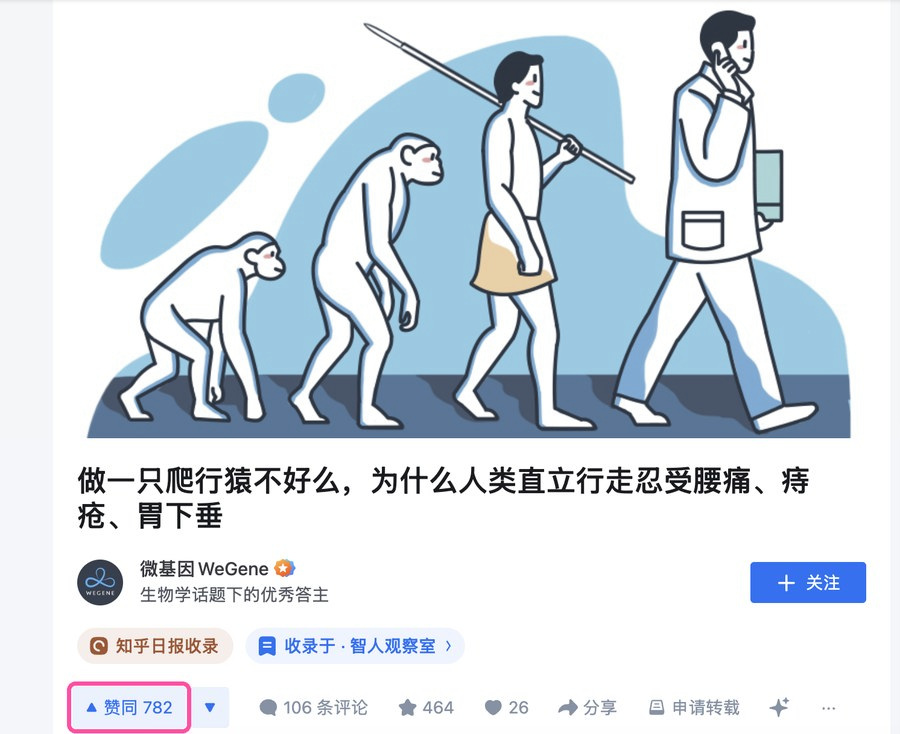
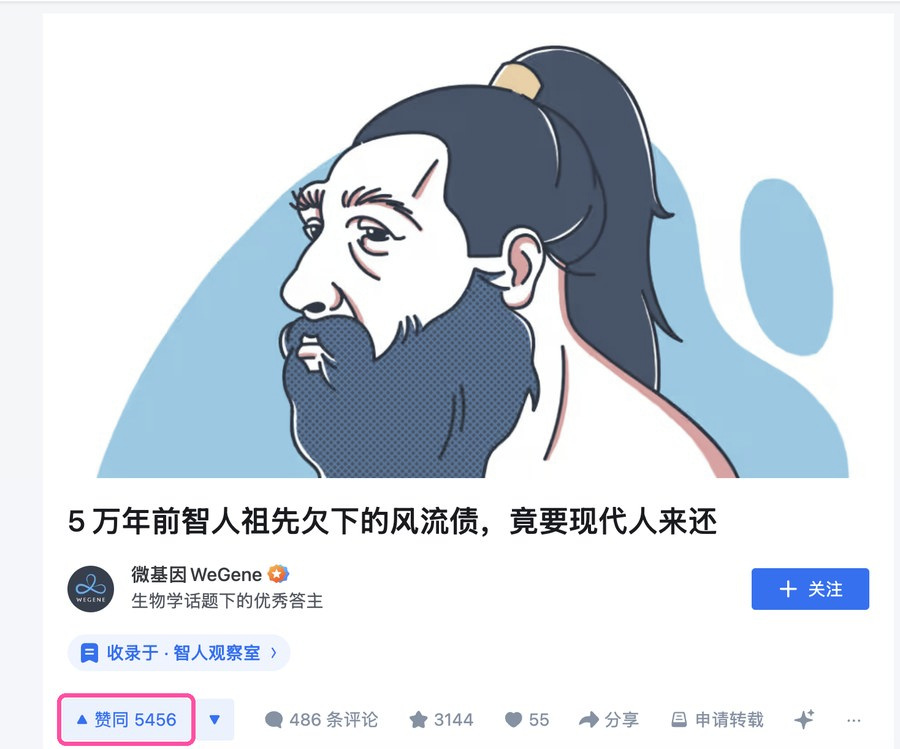
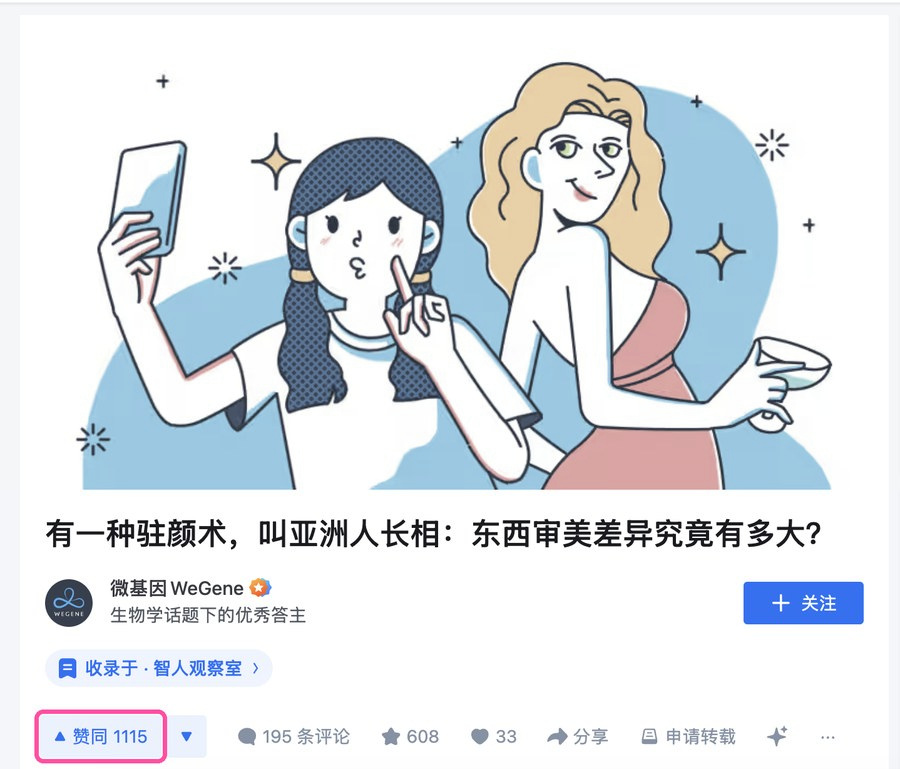
From viral content on social media to B2B technical content.
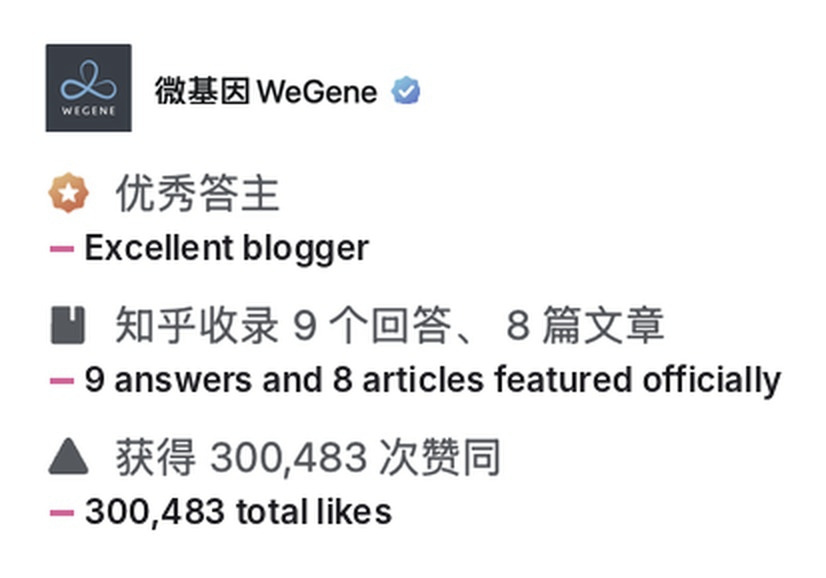
Zhihu is China's long-form question and answer platform, somewhere between Reddit and Quora. Editor's picks are selected by the platform; the brand ranking is against every brand account on it.
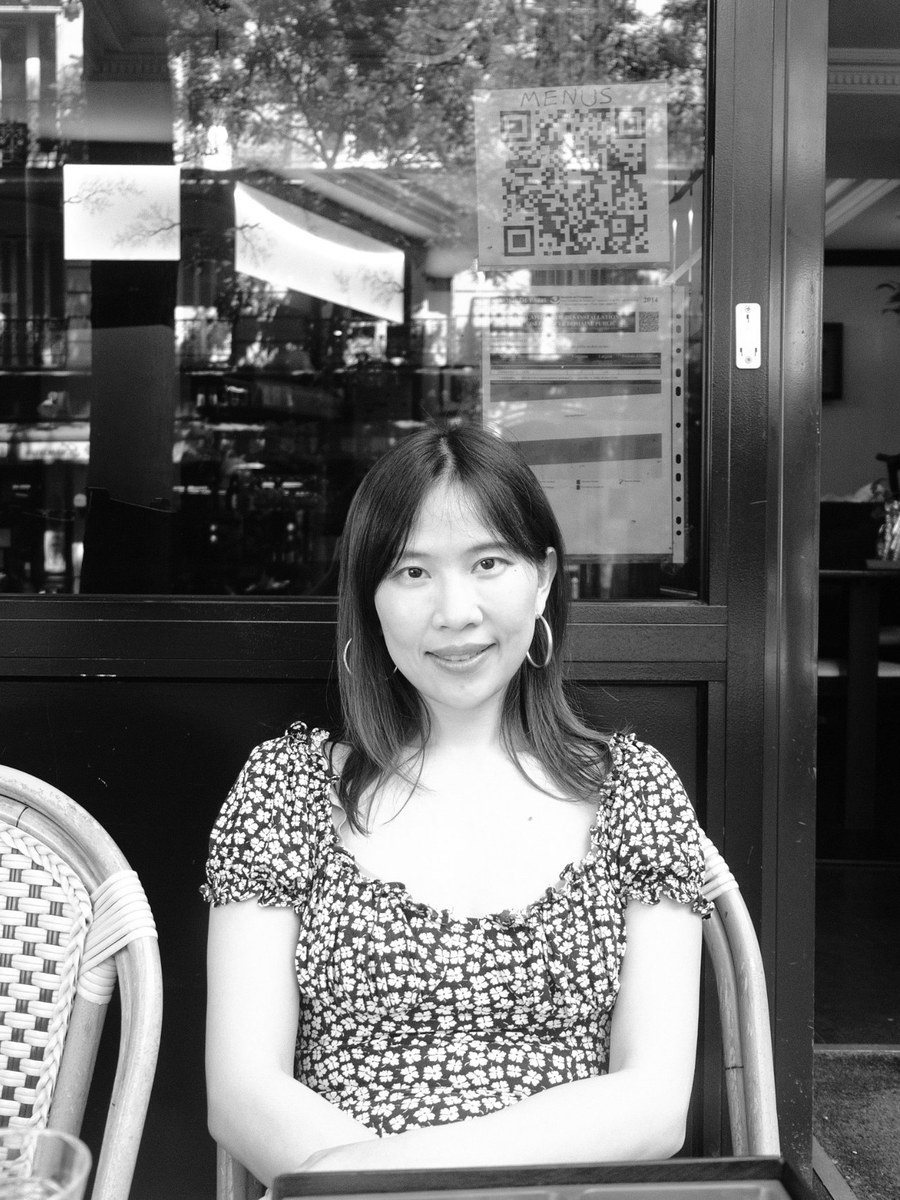
Hey, I'm Marina, an experienced digital marketing strategist who loves Europe and is currently based in Milan. I'm keen on solving problems and building smart, strategic solutions, whether that means technical capability, creativity or commercial strategy. My strengths are in product strategy, with a focus on growth, content and branding. I am good at helping products find their voice and their audience. I speak fluent English, French and Chinese. I also know a bit of German, and I am currently learning Italian.
When I'm not working, you'll most likely find me exploring creative activities like acting, writing, filmmaking and design projects, or heading to an AI event. In terms of sports, bouldering has become a favourite of mine since I realised it mixes problem solving with courage.